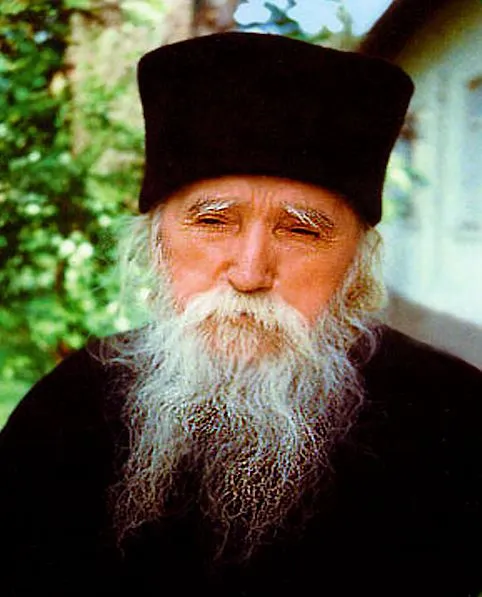
St. Cleopa of Sihastria
By: Jude Namee
Saints come from many backgrounds. Sanctity is not reserved for the children of kings or those with easy backgrounds. Holiness is the one life aspiration open to all.
Good parenting does matter, however. The knowledge that parenting can be a pathway to sanctify should encourage, not discourage us. As we pray for Christ’s mercy daily, we can hope that joys and sorrows of parenting can lead to our salvation. A good and happy childhood is a wonderful gift to a child, but growing up in a sanctified childhood is a remarkable heritage. Saintly parents oft produce saints.
Saint Constantine College is happy to publish this series of articles by Jude Namee on the parents of saints. These articles are written by a young person reflecting on one of the many paths the good God has given us to Paradise. I commend these to you as a thoughtful start to many hours of possible meditation. May we read these and be encouraged in our parenting if we are parents, or in our prayers for our parents if we are still young. We ask for the intercession of these saintly parents!
JMNR
St. Cleopa’s parents, Alexander and Anna Ilie, were loving and God-fearing people who lived the Christian Faith in the truest sense. Their conduct was exemplary: they went to every church service, gave alms, prayed constantly with their children, and overall led a pure and God-pleasing life. One room in their house was covered in icons, and the family would wake up in the middle of the night to pray there.
There were strict rules in the Ilie house. As major examples, no swearing, drunkenness, avariciousness, sexual immorality, or abortion was practised in the family. Alexander made it a rule that the children pray for at least an hour every morning before eating. On fasting days, the children could not eat until after they came home from school, and no one went to bed or ate without praying first.
Alexander and Anna instilled in their children an intense love of fasting through all of this: Anna would put meat into their backpacks on non-fasting days for their school lunch, but they would give it to their friends and restrict themselves to bread for their meal. Such was the upbringing of the Ilies that even their small children were ascetics.
Some might opine that abstinence and fasting is cruel to small children. St. Cleopa felt the opposite. He experienced the deep love of his parents every day, love that was not expressed in indulgence or spoiling, but rather in teachings of the Orthodox Faith. They taught him to love God, the Theotokos, and all the saints; to respect their elders; and to pray – always to pray. This is the true love of a parent to their child: the gift of a pious and holy upbringing in the Church, which sets both parent and child on the path to Heaven.
But let no one think that the parents were elevated beings, completely dissimilar to the common man. No, they had the normal cares and trivialities that every human has dealt with. For instance, Anna spent a long time endeavoring to marry her sons off. She used any pretext she could to bring girls over to her house in the hopes that the boys would show some interest. In fact, the only interest the boys had was in persuading these girls to forego marriage like them – and with some, they succeeded.
When the boys finally left home to enter monasteries, Anna took it very hard. Alexander, however, told her to let them go, saying, “Why didn’t we do the same when we were their age? Look, tomorrow or after we will depart to the Lord and what good will this life have been?” Still, when they left, both parents wept because of the distance between them and their sons.
This story can be challenging, and in sharing it, we aren’t suggesting that readers should emulate the specific actions of St Cleopa’s parents. While they lived relatively recently — in the early twentieth century — they still lived in a context very different from our own. Yet, their story can be an inspiration to those of us raising children today, to see an example of a family that was wholly dedicated to Christ, even if in a manner unique to them.
Leave a Reply